
The difference, in numbers
Color temperature is measured in kelvin. Warm white sits at roughly 2,200 to 3,100 K. Cool white runs from about 4,000 to 6,500 K. Some makers also sell a pure white that sits between the two.
Which suits your house
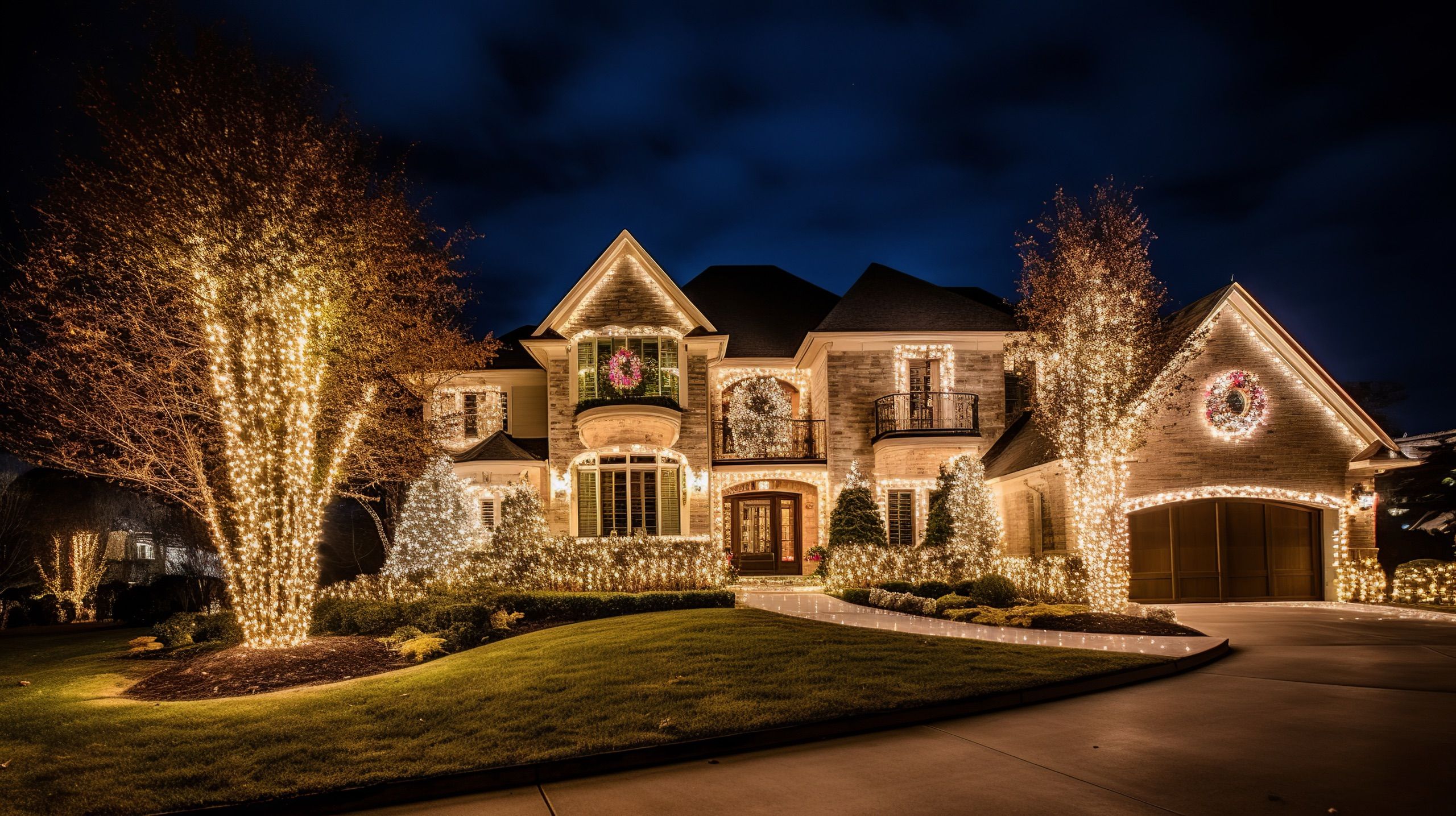
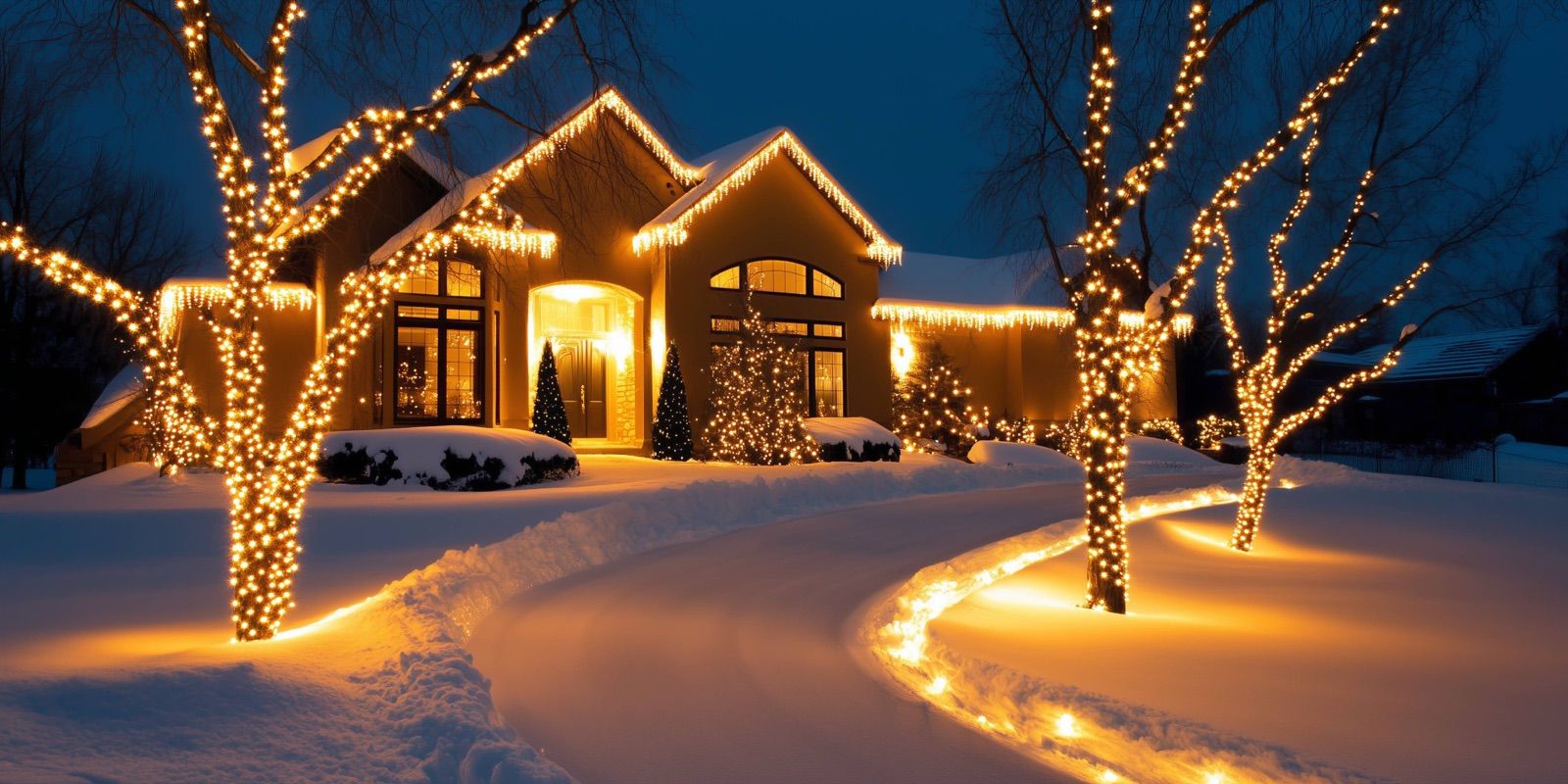
Warm white flatters wood, brick, stone and any house painted a warm color. It matches the light coming out of your windows, so the whole house reads as one picture. It is the more common choice on homes, and it is the classic Christmas look.
Cool white suits white, gray and blue siding, modern houses and a lot of glass. Against snow it looks like part of the winter, not a decoration on top of it.
How each looks in snow
Snow reflects whatever you point at it. Warm white turns a snowy yard gold. Cool white turns it blue-white and brighter. In a Vermont winter you will see your lights against snow more often than not, so picture that, not a bare lawn.
The one mistake
Mixing the two on the same roofline. Side by side, warm white looks yellow and cool white looks blue, and both look like an error. Pick one for the house. If you want contrast, put the second color on the trees.
Do warm white lights look yellow?
Cheap or older LED strings can. Good warm white LEDs are close to the glow of an incandescent bulb. “Warm white” is also not a standard, so two brands of warm white hung next to each other often do not match. It is one reason a whole house lit from one batch looks better than a house added to year by year.
What about color?
Multicolor, red and green, or a single color all work on a roofline. The same rule holds: decide on the whole house, not one run at a time.